


Cart
Your shopping cart is empty!
It's never too late to make things right :)


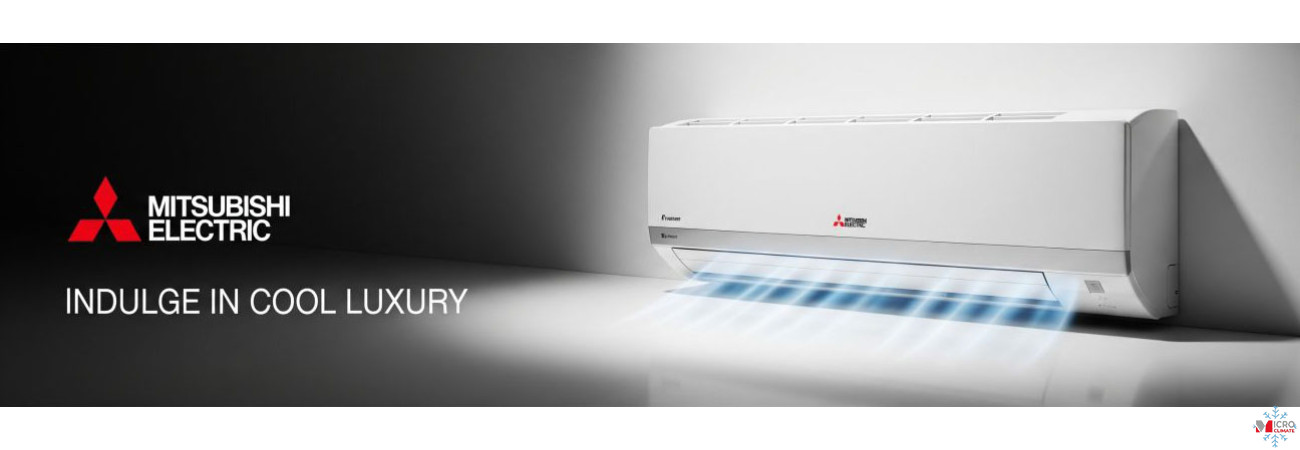

Retail environments face unique HVAC challenges. Unlike offices or restaurants, shops must balance energy efficiency with customer comfort, merchandise protection, and strict noise requirements. Whether it’s a high-street boutique in London or a large home goods store, the right air conditioning design directly impacts customer behaviour and sales performance.
A well-designed AC system:
improves foot traffic duration
enhances the shopping experience
preserves temperature-sensitive products
reduces staff fatigue
supports brand identity through comfort
Even slight temperature fluctuations can influence how long customers stay in the store — and whether they return.
Common heat sources include:
window displays exposed to sunlight
LED lighting
large customer flow
electronics and POS systems
fitting rooms with high occupancy turnover
Each of these factors creates hotspots requiring careful airflow management.
Effective retail HVAC separates the store into logical climate zones:
Entrance Area – frequent door openings
Sales Floor – constant movement of people
Checkout Zone – technological heat sources
Fitting Rooms – enclosed, quickly overheating
Stock Room – often needs independent cooling
Zoning allows AC to cool where needed while saving energy elsewhere.
Most popular in shops due to:
even 360° airflow
modern aesthetic
quiet operation
Good for both small boutiques and medium-sized stores.
Preferred in high-end boutiques or tech stores.
Advantages:
hidden installation
silent operation
seamless integration into the design
Ideal for large retail spaces or multi-level stores.
Benefits:
strong zoning capability
excellent partial-load efficiency
lower running costs
Some retail chains occasionally select systems from LG or Daikin, but brand choice varies by project.
Retail shops require:
continuous fresh air supply
filtration for dust, pollen, and fibres
humidity control for product preservation
Textile, cosmetics, and electronics stores particularly benefit from stable humidity levels.
HVAC engineers avoid:
directing cold air onto customers
creating drafts near entrances
overheating fitting rooms
stagnant air pockets
Balanced airflow ensures a pleasant shopping experience.
Energy usage is a top concern for retailers.
Ways to reduce costs:
inverter systems
heat recovery ventilators
programmable schedules
occupancy-based cooling
LED lighting integration
These measures can reduce energy bills by 25–40% annually.
Climate control in retail stores is a delicate balance between comfort, aesthetics, and efficiency. Proper zoning, modern AC systems, good ventilation, and careful airflow design create an environment that increases customer satisfaction and supports sales. The right HVAC strategy is an investment that pays off every day the store opens its doors.