

Cart
Your shopping cart is empty!
It's never too late to make things right :)
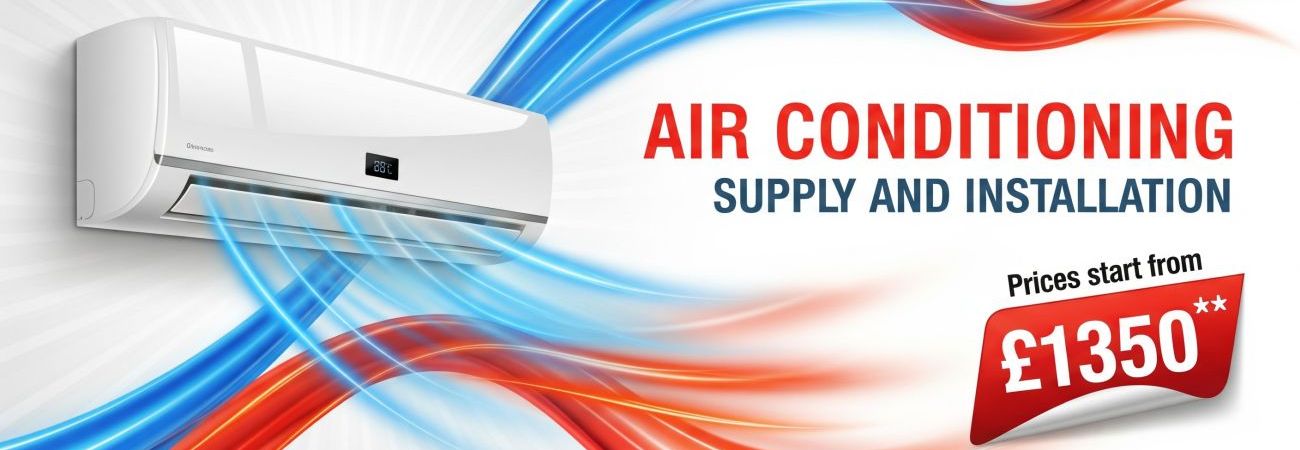



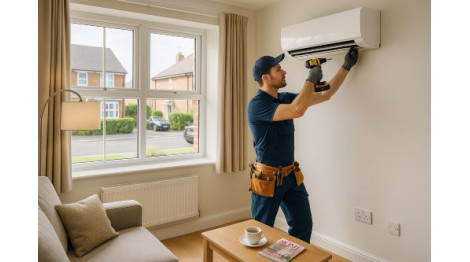
Not so long ago, air conditioning in British homes was rare—almost exotic. The UK’s famously mild summers meant that most people got by with fans, open windows, or simply sweating it out during the occasional hot spell. But the climate is changing. In the past few years, the UK has experienced unprecedented heatwaves, with record-breaking temperatures and extended periods of sweltering weather. As a result, demand for residential air conditioning has soared. If you’re considering installing AC at home, you’re not alone: Google searches for “home air conditioning UK” have tripled since 2020.
The big question many homeowners now face is not if they should install air conditioning, but how—and at what cost. There’s a lot of confusion, outdated information, and plain myths out there. This guide is your one-stop, detailed, step-by-step companion to understanding everything about installing air conditioning in the UK: the real costs, practicalities, legalities, options, tips for choosing a system, maximizing efficiency, and avoiding costly mistakes.
This may have been true decades ago, but climate data says otherwise. In recent years, summer heatwaves have become not just more frequent but also more severe. With several days above 35°C, and many UK homes designed to retain heat rather than shed it, living without AC is becoming uncomfortable for millions. For many, especially the elderly or those with health conditions, a lack of cooling is more than an inconvenience—it’s a health risk.
A decade ago, AC was mostly found in hotels, office buildings, and a few luxury flats. Today, with advances in technology, mass production, and competition among brands, modern split-system AC units are both accessible and affordable. Portable and window units are even cheaper, and installation services are now widespread—even in smaller towns.
Modern air conditioners are dramatically more energy efficient than their predecessors. Inverter technology, smart thermostats, and eco-modes mean you can cool a medium-sized room for as little as 10–30p an hour. New refrigerants are also safer for the environment, and many units have high energy ratings and low CO₂ emissions.
Price for unit: £650–£1,500 per room (mid-range brands)
Installation: £500–£1,200 per unit
Total typical cost per room: £1,200–£2,700
Unit cost: £3,000–£7,000 (larger homes, bespoke systems)
Installation: £2,500–£8,000+
Total cost: £5,500–£15,000+
Unit price: £200–£600
No installation needed
Total cost: £200–£600
Rare in the UK due to window design; if feasible, £300–£700 + £100–£300 for installation.
Upgraded electrics (rare): £150–£350
Scaffolding or access hire (for high flats): £200–£1,000
Annual servicing: £100–£200 per unit
Average energy usage for a split AC: 500–1,500W (0.5–1.5kWh per hour)
UK electricity cost (2025): £0.30/kWh (average)
Running a single room unit for 6 hours: ~£1–£2.70/day
Yes, if:
You struggle with summer heat, allergies, or air pollution
You have rooms with large windows, loft conversions, or flats with poor airflow
You work from home and need a comfortable work environment
For most homeowners, the investment pays off in comfort, health, and even property value—AC is becoming a sought-after feature for buyers and renters.
Detached & semi-detached houses:
Usually, no planning permission is needed for standard wall-mounted split systems, if the external unit is below a certain size and not on the front elevation.
Flats, maisonettes, listed buildings:
You may need permission from the local authority or freeholder.
Conservation areas:
Permission is often required; always check with your local council.
External unit rules:
Should not be installed on the main (front) facade facing a highway.
Noise limits:
Must not exceed specified levels, especially at night.
Leasehold properties:
Always check with the management company/freeholder before installing.
Tip:
Always double-check current regulations with your council’s website or planning portal, as rules can change and vary locally.
Pros:
Quiet, powerful, energy efficient
Provides both cooling and heating (many are “heat pumps”)
No need to open windows (better for security/allergies)
Discreet, fixed installation
Cons:
Needs professional installation and external wall access
Slightly higher upfront cost
External unit may be an issue in some buildings
Pros:
Cools multiple rooms with hidden ducts
Almost invisible inside
Can add value to larger properties
Cons:
Expensive, invasive installation
Best for new builds or large renovations
Pros:
No installation, plug-and-play
Cheap, flexible
Ideal for renters
Cons:
Noisier, less efficient
Requires window vent (kits included, but less neat)
Best for small rooms or occasional use
Rare in the UK due to window types but popular in the US. If your windows allow, they can be a compromise between split and portable systems.
Assessment & Quotation
Site visit by an installer
Checks for best location, wiring, access, wall strength, drainage
Booking & Planning
Agree on a date, confirm permissions
Check any special requirements (scaffolding, parking)
Installation Day
Fit indoor unit to wall
Drill small hole for pipework and cables
Mount external unit securely (usually outside, sometimes on a balcony/roof)
Connect pipes (for refrigerant and drainage)
Connect wiring and test the system
Testing & Handover
System checked for leaks, cooling performance, noise
Installer shows you controls and settings
Handover of manuals and warranty documents
Payment & Aftercare
Full payment (often a deposit required)
Book in future servicing or maintenance
Typical duration: 4–8 hours per room, complex jobs may take a full day.
Some portable or self-install systems are available, but DIY is not recommended for split/ducted AC:
You risk damaging the unit or property
Installation errors may void the warranty
Specialist tools and refrigerant handling (regulated under F-Gas) required by law
Summary:
Always use a certified F-Gas registered installer for split or ducted AC.
Look for A+++ energy ratings
Inverter technology (runs at variable speed for efficiency)
Built-in eco or night modes
Use Wi-Fi enabled thermostats or apps
Set timers or schedules to avoid running all day
Only cool rooms you’re using
Clean filters every 2–4 weeks in summer
Book annual servicing (improves lifespan and performance)
AC is most effective when heat gains are minimized
Use blackout blinds, reflective film, or thermal curtains
Seal gaps around doors and windows
Some regions offer support for installing eco-friendly heat pump systems (check gov.uk for latest schemes)
Better Sleep: A stable, cool temperature dramatically improves sleep quality—especially during heatwaves.
Allergy Relief: AC with HEPA filters can reduce pollen, dust, and pollution in the air.
Humidity Control: AC helps manage excess humidity, preventing mould and damp.
Cleaner Air: Many modern systems include air purification, ionization, or anti-viral filters—great for respiratory health.
Case 1: London Victorian Terrace, 3-Bedroom
“After last summer’s 40°C heatwave, we had a Daikin split system fitted in the master bedroom and lounge. The install took half a day per room. We spent £4,200 for both units, including installation and a 5-year warranty. Best investment ever—now we sleep like babies and work from home in comfort.”
Case 2: Birmingham New-Build Flat
“I’m renting so I went for a portable unit (£350). It’s loud but cools the living room really fast. I use it on a timer, so the electricity bills are OK. I would love a split system but don’t have permission.”
Case 3: Manchester Family Home
“We installed a whole-house ducted system during a renovation. Expensive (£12,000), but it covers the kitchen, living room, and three bedrooms. We had to get council approval for the external unit due to conservation rules, but our installer handled all the paperwork.”
User Tips:
“Don’t skimp on installer quality. Use F-Gas certified companies only!”
“Ask for a detailed quote and check for hidden costs—some installers don’t include electrical upgrades or scaffolding.”
“Get references, and see if the installer offers maintenance packages.”
Q: Do I need planning permission for home AC?
A: For most houses, no—unless you live in a flat, listed building, or conservation area. Always check with your council first.
Q: Will installing AC affect my house value?
A: Yes, it can increase value and make the property more attractive to buyers—especially as heatwaves become more common.
Q: Is it worth getting an AC with heating (heat pump)?
A: Yes, these units offer year-round comfort and can be very energy efficient, especially in spring/autumn.
Q: How noisy are modern AC units?
A: Good quality indoor units run at 19–30 dB (library quiet). Outdoor units are louder but can be placed away from bedrooms.
Q: How often does AC need servicing?
A: Once a year is recommended for most home systems.
Q: Can I install AC in a rental property?
A: You’ll need permission from the landlord or management company. Portable units are the usual solution for renters.
Q: How much will my bills go up?
A: For a typical bedroom, expect £1–£3 per day in summer if used moderately. Smart controls can help keep costs down.
Air conditioning is no longer a luxury reserved for the few in the UK. With climate change making summers hotter and homes increasingly airtight, AC has become a practical, healthy, and increasingly popular investment for comfort and wellbeing.
Top tips for success:
Do your research—choose the right system for your home and budget.
Only use qualified, F-Gas registered installers.
Maintain your system for the best performance and lifespan.
Take advantage of smart technology and energy-saving modes.
Enjoy cool, clean air—whatever the British weather brings!
Need a personalized quote or have more questions?
Speak to a local installer or consult the UK government’s planning portal for the latest regulations and incentives.